
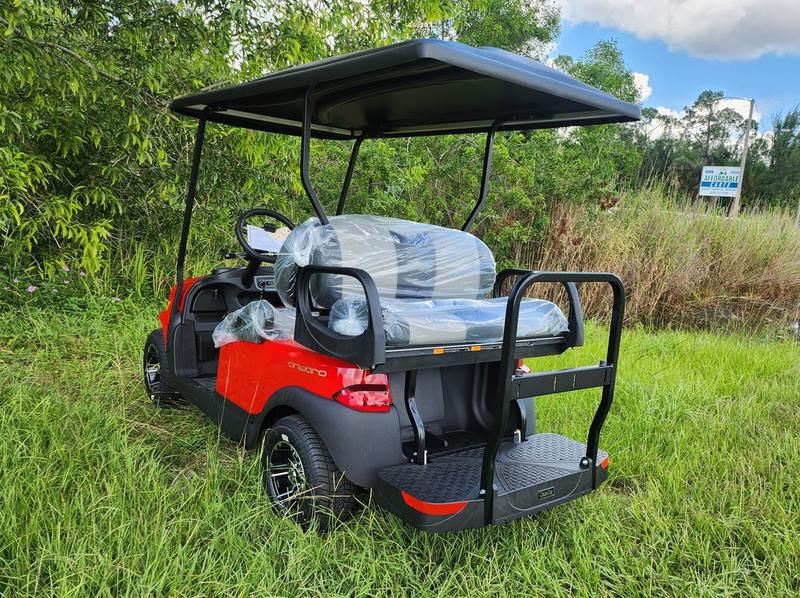
Golf Cart Tariffs 2026: Impacts on Prices, Imports & Buying Guide
In 2026, U.S. tariffs and anti-dumping duties on Chinese golf carts reach 100%–600%+, dramatically raising prices and disrupting supply chains. These measures protect domestic makers like Club Car and E-Z-GO but increase costs for consumers on imported models and parts.
Understanding 2026 Golf Cart Tariffs
The U.S. Department of Commerce imposed significant tariffs and countervailing/anti-dumping duties on Low-Speed Personal Transportation Vehicles (LSPTVs) from China starting in 2025, continuing strongly into 2026. With Chinese imports comprising nearly 99% of the market in recent years, these protections aim to bolster American manufacturing while addressing alleged unfair trade practices.
Combined rates often exceed 500% for certain manufacturers, reshaping pricing across the industry. Explore quality domestic and alternative golf carts to navigate the changing landscape.
Key 2026 Golf Cart Tariff Impacts
Massive Price Increases
Tariffs drive substantial retail hikes. Low-tariff models may add $2,500–$5,000, while high-end imports face $10,000–$20,000+ increases. Budget carts once $6,000–$8,000 now approach or exceed $12,000 in affected segments.
Targeted Chinese Imports
Duties primarily hit Chinese-made carts, prompting manufacturers to explore production shifts (e.g., Vietnam). This reduces immediate supply of popular value brands, tightening availability.
Parts & Maintenance Costs
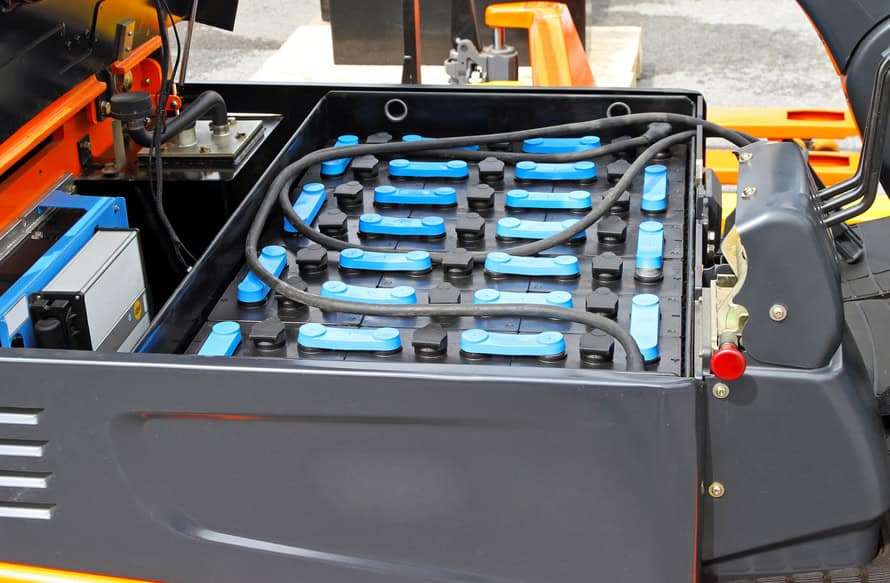
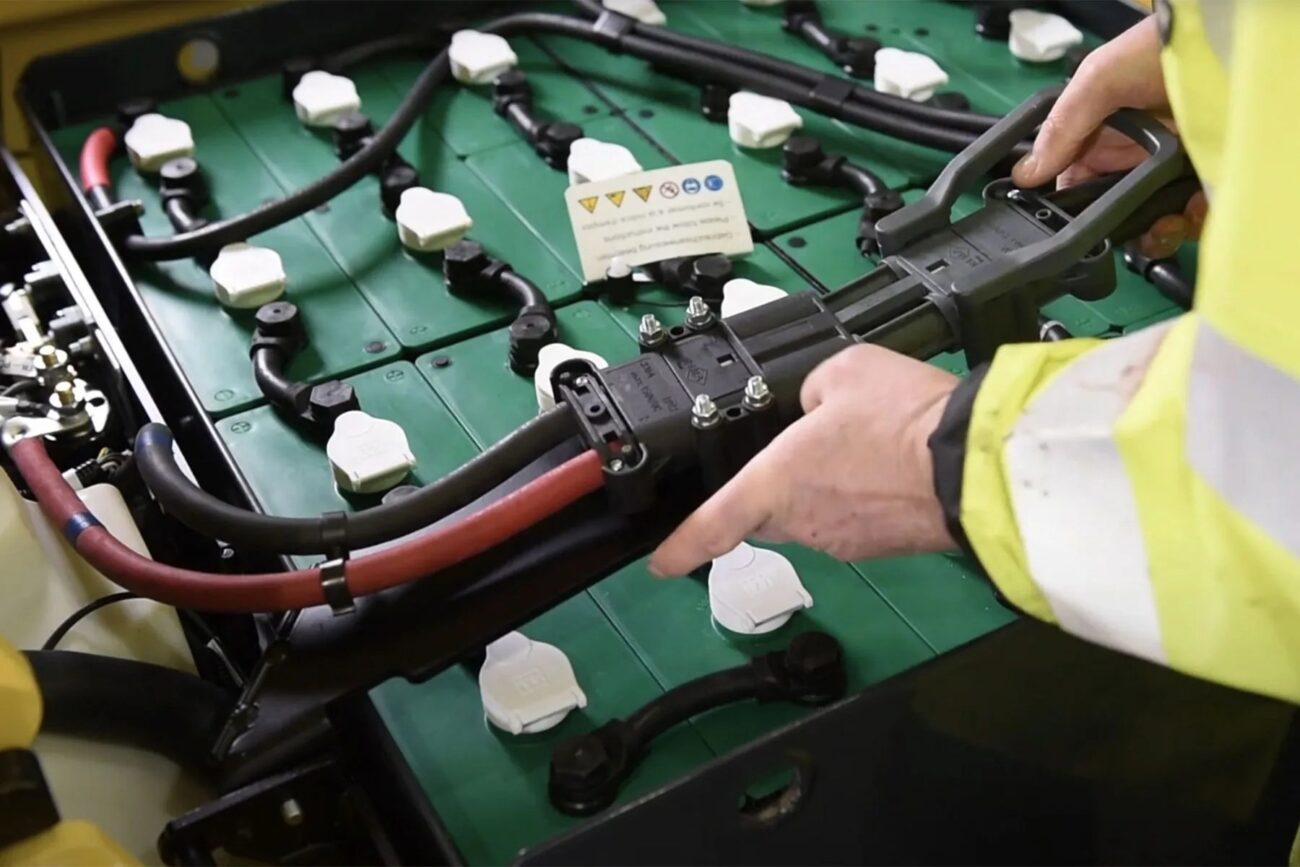
Tariffs extend to batteries, motors, controllers, and accessories—raising repair and upgrade expenses across all carts, even domestic ones reliant on global components.
Market Shift Toward U.S. Brands
American manufacturers like Club Car and E-Z-GO gain share, benefiting from tariff protection. However, overall industry prices rise due to reduced competition and shared component costs.
Expected Duration
These duties are set for at least five years, with reviews possible but unlikely to ease significantly in the near term. Long-term market adjustments include diversified sourcing and domestic expansion.
Consumer Outlook for 2026
Buyers face higher prices and fewer budget import options. Domestic or alternatively sourced carts become more attractive despite premiums. Deals may emerge on pre-tariff inventory or used models.
What Is the Best Time of the Year to Buy a Golf Cart?
Late fall through early winter (October–February) typically offers the strongest incentives. Dealers clear inventory ahead of new model arrivals, providing discounts, financing deals, or bundled accessories. Off-season demand is lower, improving negotiation leverage. Spring/summer peak sees higher prices due to demand spikes.
2026 golf cart tariffs significantly reshape pricing and availability, favoring domestic production while raising costs industry-wide. Consumers benefit from timing purchases during off-season promotions and exploring reliable alternatives for long-term value amid ongoing trade adjustments.
Add a review
Your email address will not be published. Required fields are marked *